Uncategorized

The Everyday Guide: 3 Easy Vintage Design Styles

I’ve realized that many of us are drawn to vintage pieces in theory — but not as much in practice. It cane be a challenge to integrate vintage elements into our own homes, in a way that feels like us. Over time, I’ve realized that there is a bit of a vintage + rubric operating, and that there are clear profiles to help us not only enjoy vintage inspired pieces, but live with them comfortably.

When we think of vintage-inspired spaces, we tend to think of them in a purist sense, picturing spaces that are comprised of entirely vintage elements — which can quickly overwhelm a space. And if we fail to offer a little room for individuality, this ultimately defeats the entire purpose of design — which is to create a home that feels like a haven.

The following might help you identify which vintage profile you lean towards. We’ve included links to items included in the vignettes below. Enjoy!

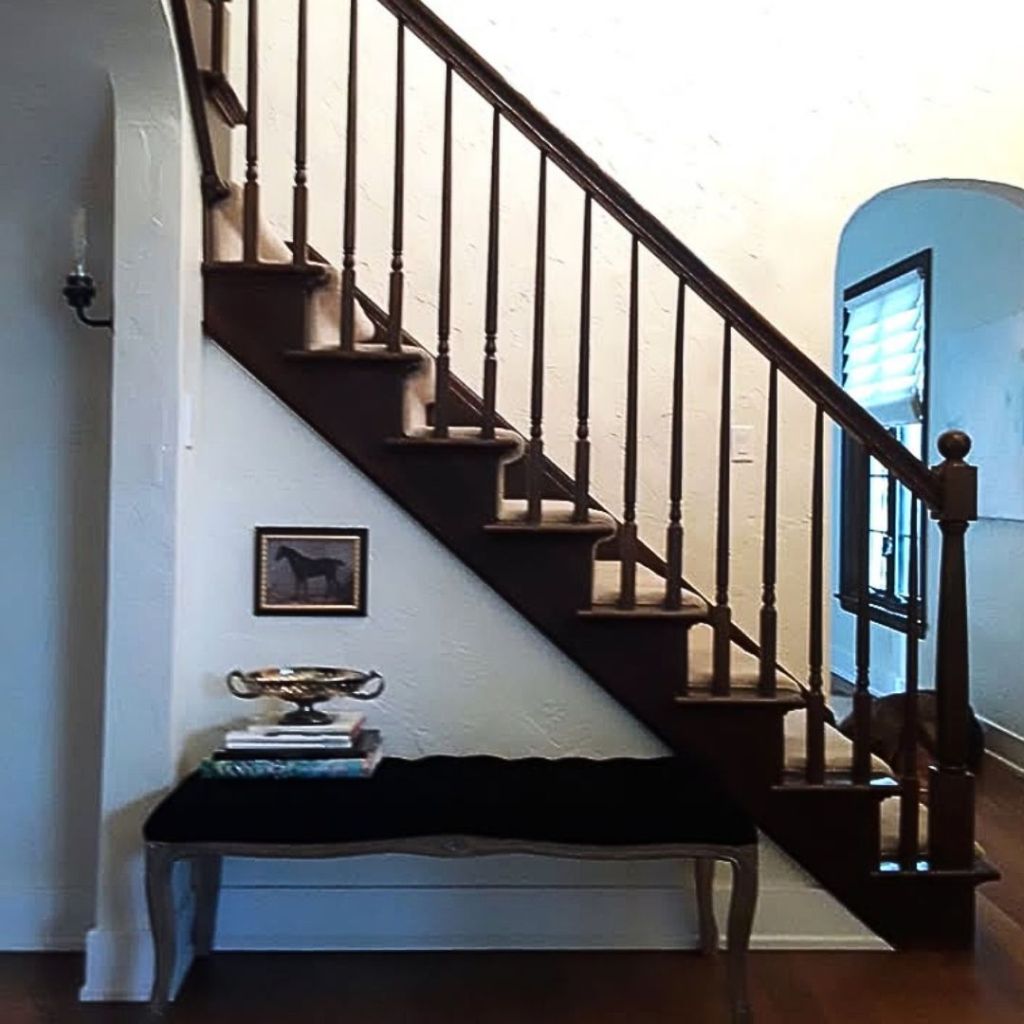
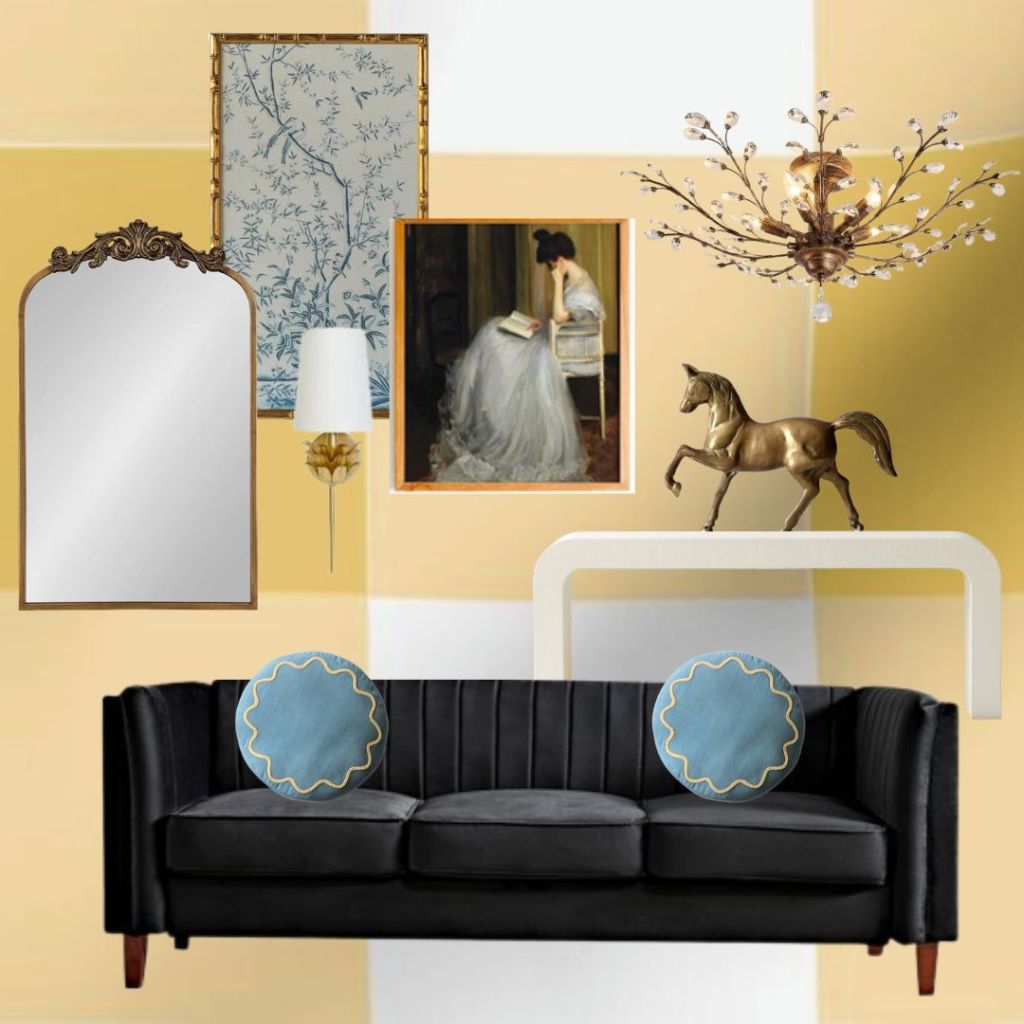
Vintage + Modern
This style embraces a juxtaposition of vintage and modern design elements, which creates a lot of edgy interest. Think new, sleek foundation pieces paired with more ornate gold elements, such chandeliers, framed mirrors or sconces — with landscaped-inspired panels or murals.

Vintage + Warm
Love a British vibe? Darker stained wood pieces paired with traditional fabrics, such as plaids, checks, and vintage paintings can characterize this timeless design profile. Colors can be drawn from across the spectrum — from cool to warm — but the vintage pieces anchor the feel of the space.

Chinese Rice Paper Print with Bamboo Frame: https://amzn.to/4j7HbqF
Gilded mirror: https://amzn.to/4iMlixm

Vintage + Grand Millennial Charm
Vintage or vintage inspired pieces in bamboo and painted wood,s anchor these spaces. Often leaning toward blues & white — the vibe feels vintage — but the pieces are often new. Floral artwork, intaglios and brighter versions of Persian-style rugs are often used as accent pieces. Design sources such as Serena & Lily and Ballard Designs cater to this profile.

Greek Key Pillow: https://shorturl.at/wJavA

Floral wastebasket: https://amzn.to/4hSTENQ
Demi-Lune Table: https://amzn.to/4c4aiZA

Try one or two of these profiles on — and see how they fit with the pieces you already own.

If you’d like a link page, send us a note.

The Tilbury Edit shares observations concerning a wide array of topics from founding a company — to the perfect gift. It is designed to share lessons learned from a variety of perspectives.

Uncategorized

Influence Yourself (About Yourself)

Photo by Josh Sorenson on Pexels.com

“It took me a long time not to judge myself through someone else’s eyes.” Sally Field

With the advent of social media, came a new communication reckoning. A more fluid path to share ideas, opinions, experiences & observations. We wrote, we read, we liked, we shared & we commented. We opened ourselves to being influenced in ways we had never imagined.

Yet, one area still seems largely impervious to change; remaining petrified and impervious.

We do not recognize that influencing how we view ourselves is vital. We seem to crowdsource that opinion from every vantage point — but fail to acknowledge that, on some level, we are indeed the experts.

Ultimately, we fail to influence ourselves (about ourselves).

It’s a very human mistake; but one wholly amplified by this new zeitgeist. Over time, we have become so accustomed (possibly committed) to being noticed by others, recognized by others, made relevant by others and criticized by others — that we fail to listen to ourselves. This can limit our potential in so many aspects of our lives & our work. Other bits of information land at our doorsteps; knowledge that could point out who we really are. But, we don’t seem to budge from that crowd hacked purview.

Even when we are actually the experts of us.

I’ve often thought that therapy is one of the only methods to address this. There is something vital about someone skilled to navigate our moments and misconceptions right alongside us. Yet, even with that exercise, we are often left standing at the proverbial bus stop waiting for a change in our won opinion that never fully manifests.

It seems that changing our self-perception is almost a microscopically slow process. It behaves in a similar manner to constructs such as confidence or falling in love. You shift slowly, until awareness suddenly washes over you. Yet, until that very moment that shift is silent (yet, all the while dividing, growing).

We are often mired in dated assessments of ourselves, long after that summary is invalid.

What holds us back may be a lack of commitment to ourselves. A lack of vision. Or perhaps a lack of hope.

We need to acknowledge that we have grown, evolved, expanded.

Grant ourselves the accolades.

I dare you.

Influence yourself.

Note: I’ve found this article — that might help us begin.

Dr. Marla Gottschalk is an Industrial/Organizational Psychologist who focuses on bringing core stability to our work lives. She is a charter member of the LinkedIn Top Voice Program. Her thoughts on work & life have appeared in various outlets including the Harvard Business Review, The Muse, Brit & Co, Talent Zoo, Forbes, Quartz and The Huffington Post

Uncategorized

How to Hold on to the Joys of Summer

Chang Min @unsplash

There is a jarring moment every summer, when I realize that it will not last forever.

April and May are purely anticipatory. June is glorious, with weeks & months spread before me.

Yet, around July 4th it hits me; summer is finite.

Its grace, its sun and its warmth are temporary.

From that point forward it’s difficult to refrain from counting the remaining months of mild weather. It becomes hard to ignore the changing blooms in my yard (how long has it been since the Lilacs?) or the barrage of swimwear sales — or the back-to-school commercials.

Damn it flies by quickly. Make no mistake, the end of summer will come knocking.

I’ll admit to some mixed feelings. The often oppressive humidity, frequent storms and ever-present pollen in the great lakes region are a challenge. (I root for a hard freeze once things start to turn.) Yet, I do love a beach vista, the noisy clan of morning birds outside my bedroom window, sitting on the patio with an occasional cocktail and watching the dog rolling in the grass to cool herself.

Summer has its moments.

Holding on to some of them — in some way — is tremendously worthwhile.

I’ve given this some thought. Here are a few ideas to do so:

  • Collect mementos. If you have a penchant for sentimentality, collect objects that will remind you of the feelings that summer moments bring you. In my possession, you’ll find a wide range of these items from napkins to beach stones. It is all very personal (as it should be).
  • Form traditions. If you love a certain summer destinations, make a plan to return. If you know others that would also love that place (and also enjoy their company) invite them for the following year. Looking forward to next year, keeps you somewhat in the mindset of this year.
  • Dabble in hobby photography. Your perspective of the summer experience is unique. So, try to capture that essence in photographs. Start with your phone’s camera. You can always progress to improved equipment if you find the exercise worthwhile.
  • Make mental notes & revisit them (often). We all have flashbacks to certain summer memories. These feelings can be quite vivid. If you find yourself standing in a moment that should be remembered — make mental notes about the finer points, including how it looked, how it sounded and how it all felt.
  • Stick with Summer Reading (all year). There is a flavor to summer titles that can help us resubmerge into the feeling of summer. (We’ve gathered a few for you here.) Somehow the light & airy titles bring me back to that summer place.

Summer Reading Picks: From the NYT’s Bestseller List

Have another idea? Share it with the community.

The Tilbury Edit shares observations concerning a wide array of topics from founding a company — to the perfect gift. It is designed to share lessons learned from a variety of perspectives.

Uncategorized

The Everyday Guide: Our 3 Favorite Desk Styles for Working From Home

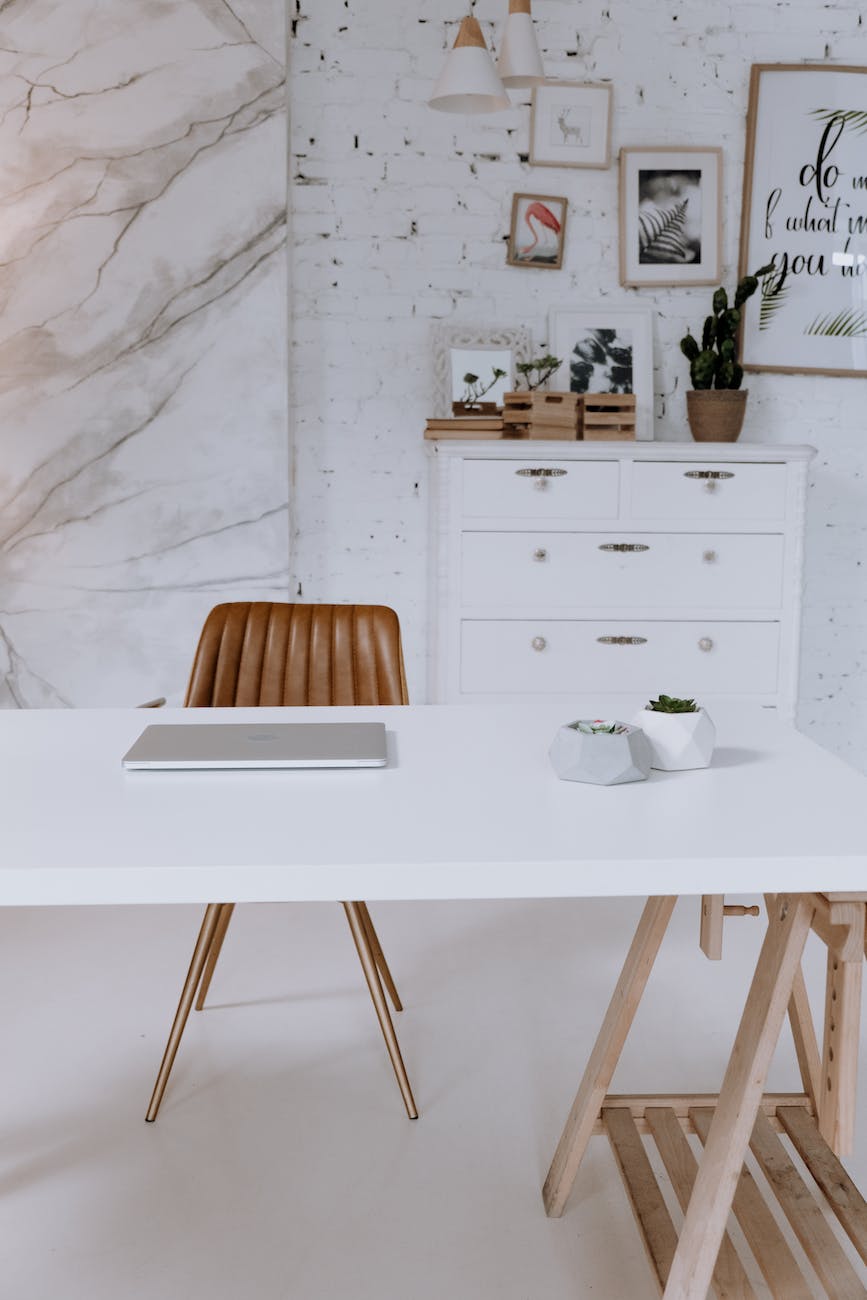
Photo by cottonbro studio on Pexels.com

Note: Click on photos for more info.

It is no longer as difficult, to justify a work from home purchase. Many of us are logging in hours away from an office environment. Yet, if you are still struggling to be productive because the dining room table you’ve commandeered just isn’t working or really have no surface to really call your own — we’ve gathered desk options to help you along (yes, you may find a drawer or two helpful).

When I posed this to the group, we were in complete agreement that where desks are concerned — form must follow function. Yet, while we couldn’t agree on one style, any option needed to be easy on the eyes & fit within a decided space and budget.

So, here are a few classic design picks, that weigh in at different styles & price points. Hopefully one of these might inspire you to break your “desk commitment” phobia.

Unless indicated — simply click on the photos for more information.

Sophisticated
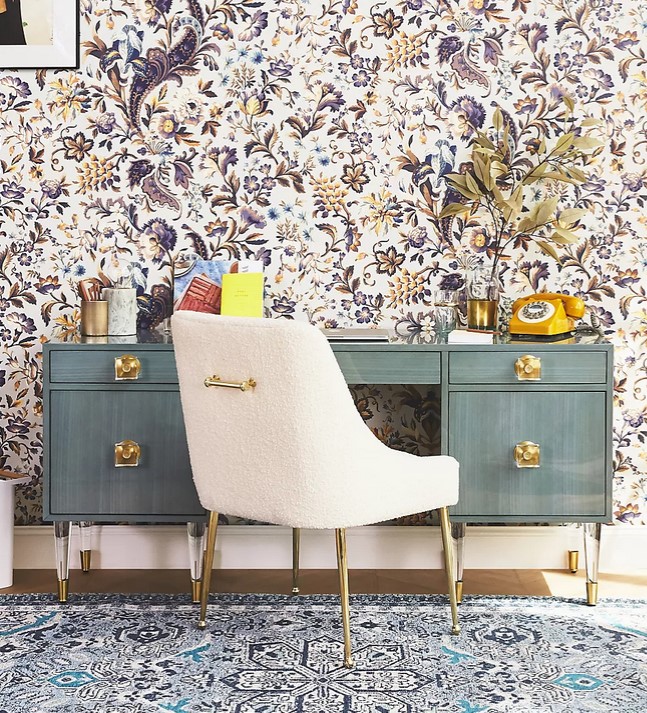
I’ll admit that I am not a particularly elegant individual. I struggle with lipstick and despise clothing that doesn’t feel like pajamas. However, a glamorous desk can make you feel a bit cool & somewhat collected. The lacquered regency desk below from Anthropologie is pricey, but offers four drawers (spaces to wrangle your stuff.) Find the details here. Fans on a budget can consider our Amazon pick.

Lacquered Regency Desk from Anthropologie.

Modern
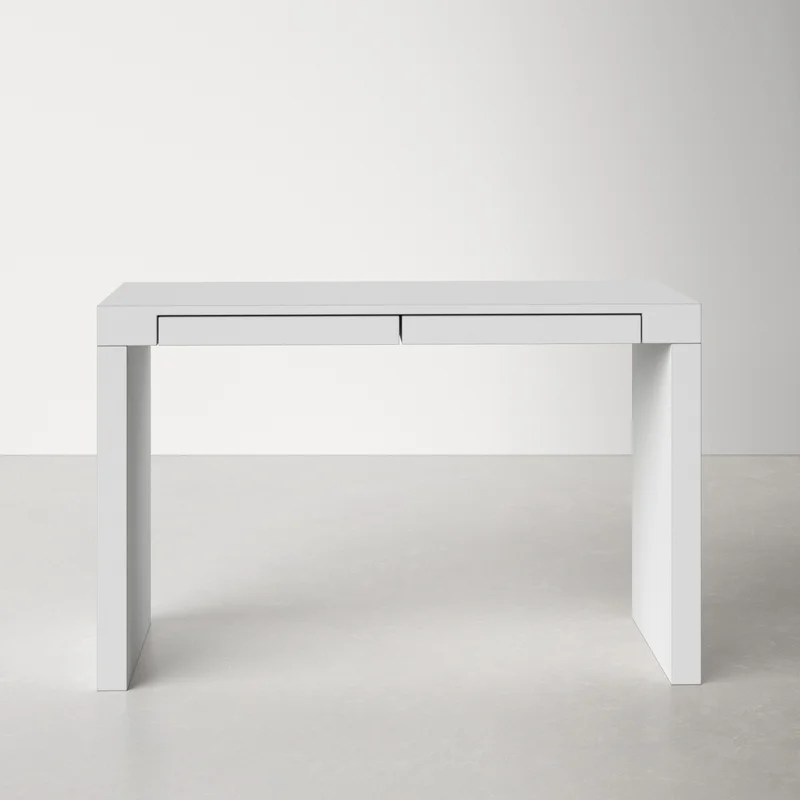
There is something something so refreshing about clean, modern design. The lines are sleek and the materials quickly become the center of attention. Luckily, there many options out there to choose from. I love the look of a Parson’s style desk and the one below from All Modern is well-rated. We’ve also included other desks with a modern feel at a lower price point.

All Modern’s Carson desk: Find it here.

Cyrene+Reversible+Desk

Hogwarts (Library Table)
If spreading out is a priority and you have storage for your office supplies covered, there is nothing like a library table. You can go for a new option, pre-owned or even a vintage table — representing various price points. Find some tips on how to purchase a vintage piece here.

Trestle tables are great options and work beautifully if an unused dining room space has morphed into your home office. Hogwarts aside — you just cannot beat the warmth of this style option. We’ve provided a little inspiration below: here is the direct link: https://amzn.to/48yR4rK

What is your favorite desk style and why? Share it below.

The Tilbury Edit shares observations concerning a wide array of topics from founding a company — to the perfect office gift. It is designed to share lessons learned, from a variety of perspectives.

Uncategorized

We’ve Been So, So Wrong About Personal Style

mick depaola@unsplash

I’ve muttered to myself on numerous occasions that I possessed absolutely no sense of style. In my role as a consultant, I eventually stumbled upon a satisfactory formula; but my clothing expertise outside of work quickly become a long-standing challenge.

Getting dressed (especially for an event) would often feel befuddling. I would be left with a complete mess of cast off clothing as I walked out the door — after trying on literally everything in the recesses of my closet. I did not feel well-heeled and would secretly berate my propensity to gravitate toward the same items.

Nothing seemed to work as it should.

I was purchasing clothing, but still had nothing to wear.

I was certainly on the fast track to style oblivion & knew it.

But lately, I’ve discovered that I had just about everything dead wrong concerning this situation. There was always style gold right in front of me — I simply wasn’t listening.

The truth of the entire style matter is this: the longer we fight our own fashion instincts, the longer we delay the birth of our own signature style.

That needed to change. Why own a wardrobe that didn’t support me and my own identity?

So — here are few things I’ve learned about discovering & supporting that style:

  • Examine your style history. Remember the advice that when college is over, you need to move on. This advice goes wrong on a couple of levels. First, this is a period in our lives when we start to realize what actually works. Secondly, we are motivated and willing to put in the effort to support that style. With the reincarnation of so many trends (think of the slew of available jean options now), it is likely that an outfit you perfected then — could be the solid foundation of your style now. Style Hint: If you have saved much-loved items from that period of time, notice any trends (item, colors, texture.)
  • Feedback (even negative feedback) holds clues. From the time I hit my teenage years, there was constant commentary about my love for shades of brown. (My mother would have preferred to dress me in red pleather — and she tried.) Yet now, I would consider my consistent penchant for earth tones, to be my greatest style strength.
  • Lean into your clothing obsessions, especially if they fuel confidence. At 16, I felt emboldened by my first blazer. Whatever your confidence item or silhouette is — go with it. Take Allison Bornstein’s advice about your signature style: REPEAT what works. Style Hint: Best blazers for the price: H & M’s double breasted classics. At a luxury price point: Veronica Beard’s tailoring is beyond wonderful.
  • Once you find a “Style Blueprint” be persistent. In fact, you might truly have found your style — yet you haven’t found (or cannot find) the right pieces to fulfill that destiny. Style Story: I have always been a huge fan of wide leg paints. However, finding them was a challenge for years. Keep looking. Try vintage & resellers. If you are lucky enough to discover a hard to find piece currently being made, make that purchase before it floats “out of style” (possibly in multiples).
  • Prepare, prepare, prepare. Try on clothing combinations well before you might actually need them. (Donate/swap what doesn’t work, what does not fit or doesn’t help you feel confident.) One sobering style rule: it is nearly impossible to find the right piece of clothing or outfit in the moment of need.

Style isn’t always effortless. However, it is worth the time spent — when the outcome offers more joy with fewer moments of wardrobe panic. Sometimes feeling well-healed actually feels like wellness. And that is worth the trouble.

What are the staple items of your personal style and where do you find them? Share your knowledge with other readers.

The Tilbury Edit shares observations concerning a wide array of topics from founding a company — to the perfect gift. It is designed to share lessons learned from a variety of perspectives.

Uncategorized

Let’s Talk About Catalyst Moments

Anite Austvika @unsplash

Cat·a·lyst
noun: catalyst; plural noun: catalysts

  1. a substance that increases the rate of a chemical reaction without itself undergoing any permanent chemical change. “chlorine acts as a catalyst promoting the breakdown of ozone”
    • a person or thing that precipitates an event.”the governor’s speech acted as a catalyst for debate”

Change is a funny thing.

There are the times that we would rather avoid it. The times that we crave it, but are unsure about which direction to pursue. The times when it is needed, yet we fail to see that need.

I’ve been browsing through my personal catalog of these moments, in both life and work. (This is not meant to sound either dramatic or catastrophic.) There was the moment a less than helpful literary agent, informed me a ghost writer was required if I was to be published. Or the moment it became blatantly evident that the economic crisis of 2009, was not the time to re-enter the workforce. There was that blow-up with a dear friend that has really never fully resolved. I could go on, but I won’t. We have all experienced detours, deeply felt disappointments & grueling realities.

Moments that shook us from our foundation and changes our course.

I did intend to choose one situation and discuss it in detail — and then write you a prescription of sorts. However, I simply could not choose. I couldn’t call out one of these moments, analyze it (once again), sort through the antecedents and discuss the eventual outcomes.

That didn’t feel right somehow.

My gut told me something else.

To look at these moments as a group.

As a cohort, so to speak.

My feeling was that we should talk about catalyst moments in our lives for what they mean as a whole. What they may not always be. Why they are important & how we might need them.

A few thoughts on the topic:

  • We might not notice them. You might think of a catalyst moment as the pivotal scene of a great movie. However to be honest, these moments are not always completely obvious. We can be moving through a “long-haul” catalyst moment and actually writing it off as something else. The setback may be that you are slowly “withering on the vine” career-wise. Or that you are remaining true to a career path or a friends group that no longer aligns with who you might be as an individual. Evolution (and progress for that matter) can also be slow & subtle, yet every bit as disruptive.
  • We actually deserve them (hear me out). Not all catalyst moments are negative. They can be moments of realization. Of growth. While these might clearly present as an unexpected challenge — they can also take the form of an opportunity to shift our paths for the better. To possibly move through,life & career in a very different way. If we can recognize at least some of these moments sooner, they may not affect our lives & livelihoods so precipitously.
  • We should listen more. I know of countless articles that articulate how we should quiet the nagging voices in our heads. The fact is, we may need to listen more and notice what is building. To possibly detect what catalyst moment is lurking along the horizon. Have you noticed your attention drifting toward another path, role or industry? Seeing signals that your life is headed for a shift? What is stuck (and possibly stinging) in the back of your mind that you may not want to address? You might actually detect your next catalyst moment already lingering in the mist on that horizon.

I apologize this post has taken a hard turn away from the prescriptive advice that might have been offered if a single setback was discussed. But, I assure you if you peruse my other articles, you’ll find that as well.

Marla Gottschalk, Ph.D. is an I/O Psychology Practitioner who explores core stability and the dynamic nature of work life. A charter member of the LinkedIn Top Voice Program, she speaks to teams & organizations on how to build stronger foundations through the practice of core stability. Her thoughts on work life have appeared at the Harvard Business Review, The World Economic Forum, Forbes, BBC Work Life, Quartz and The Huffington Post

Uncategorized

Moving On From a Negative Narrative That is Not Your Own

Every story has another way of being told. – Krishna

As human beings we are inclined to make sense of our world.

Even as we sleep, we weave stories that connect our observations and experiences.

As things shift and sputter within our own work lives, narratives can become very active. These are the stories that help us understand a series of events or experiences — that reflect a particular perspective or opinion.

Narratives can take on useful forms and can be positive. For example, a smart strategic narrative can fuel an entire organization, and a well-crafted career narrative can support career paths. Yet on the flip side, narratives can be negative — causing great distraction. This tenor of those narratives, can play havoc with our own self-image, our work and our work-based relationships.

Most of us have built a narrative about who we are and how we work. Your team may harbor a set concerning who they are as a group, as well. Ditto for leadership.

This is not surprising.

Stories are central within our history as human beings. (Interestingly, this tendency to connects the dots, or pattern seek is named narrative bias.) Even while we sleep we seem to weave a story, comprised of the bits and pieces of our day, blended with our unique past. On a basic level, we build narratives to make sense of the world. They are much like shorthand. At their best — narratives can build confidence and power our paths. Yet, at their worst, they can become misleading and destructive.

The problem arises when the negative narratives get in the way of our own development.

Narratives have become a very present fixture in my work as a coach. This is because it became evident that narratives affect nearly every individual, team and organization. Moreover, the thread of narratives is a common blockade to progress, and can become very present when we deal with people, teams and even other organizations.

When the narrative encompasses our own paths, skills & abilities — an entirely new problem can emerge. In this scenario, the stories we tell ourselves and those built/communicated by others about us, can begin to define us.

Let’s take advantage of the current pause to identify them — and make an attempt to challenge the negative variety.

Only then can we unravel their power and move forward without them.

Strategy: Narrative Identification

  • Identify a narrative that affects you personally as a contributor. This narrative could speak to your skills/traits/abilities, your work, how you feel about yourself or how you believe others see you.
  • Identify a narrative that affects your team. This can include your team’s internal functioning, and how it behaves with adjacent teams/functions or clients.
  • Try to pinpoint how these narratives developed. This could be rooted in an experience, a conversation or possibly hearsay.
  • Challenge the narrative. This involves challenging the narrative by posing an alternative explanation and possible outcomes.

Our innate need to make sense of the world, can make us susceptible to built narratives. Be ever-vigilant, to recognize if they helping or hurting your work life.

Please note: All posts are solely owned by the author. Reprinting (other than re-blogging at another WordPress blog) is by permission only.

Dr. Marla Gottschalk is an Industrial/Organizational Psychologist, diagnostician & speaker, who explores the value of core stability to empower our work. A charter member of the LinkedIn Influencer Program, she has been featured at the Harvard Business Review, Talent Zoo and The Huffington Post.

Share this:

Uncategorized

3 Quick Ways to Add a Bit of Panache To Any Space

Photo by Vincent Rivaud on Pexels.com

We seem to be spending a lot more time at home these days — and as a result, paying much more attention to my personal surroundings. (Our physical surroundings do affect us.) When it comes to building an interesting design aesthetic that offers a sense of comfort, the small things really do matter.

So — if you find yourself rearranging your furniture & accessories with less than spectacular results, we’ve collected a few ideas to indulge your whims, while minimizing the financial commitment. We’ve consulted one of our favorite design mavens & come up with a few quick ways to lighten, brighten & craft your own space.

Our suggestions:

Pillow Covers. We’ve developed a penchant for pillow covers. West Elm’s ever-changing collection of pillow covers are always a great option. The fabrics are not only stylish, but possess a certain level of quality not usually seen at their price point. Options run the gamut from bohemian to chunky knits — to modern and sleek. Once you invest in the pillow inserts (Amazon likely has what you need), you are good to change things out to your heart’s desire. Snare a couple on clearance to give them an initial try on. It’s a win-win.

You may not think of them first, but Amazon has a few worthy pillow cover sources that we love as well. Whether you love a boho, grand millennial or modern vibe — there are plenty to choose from.

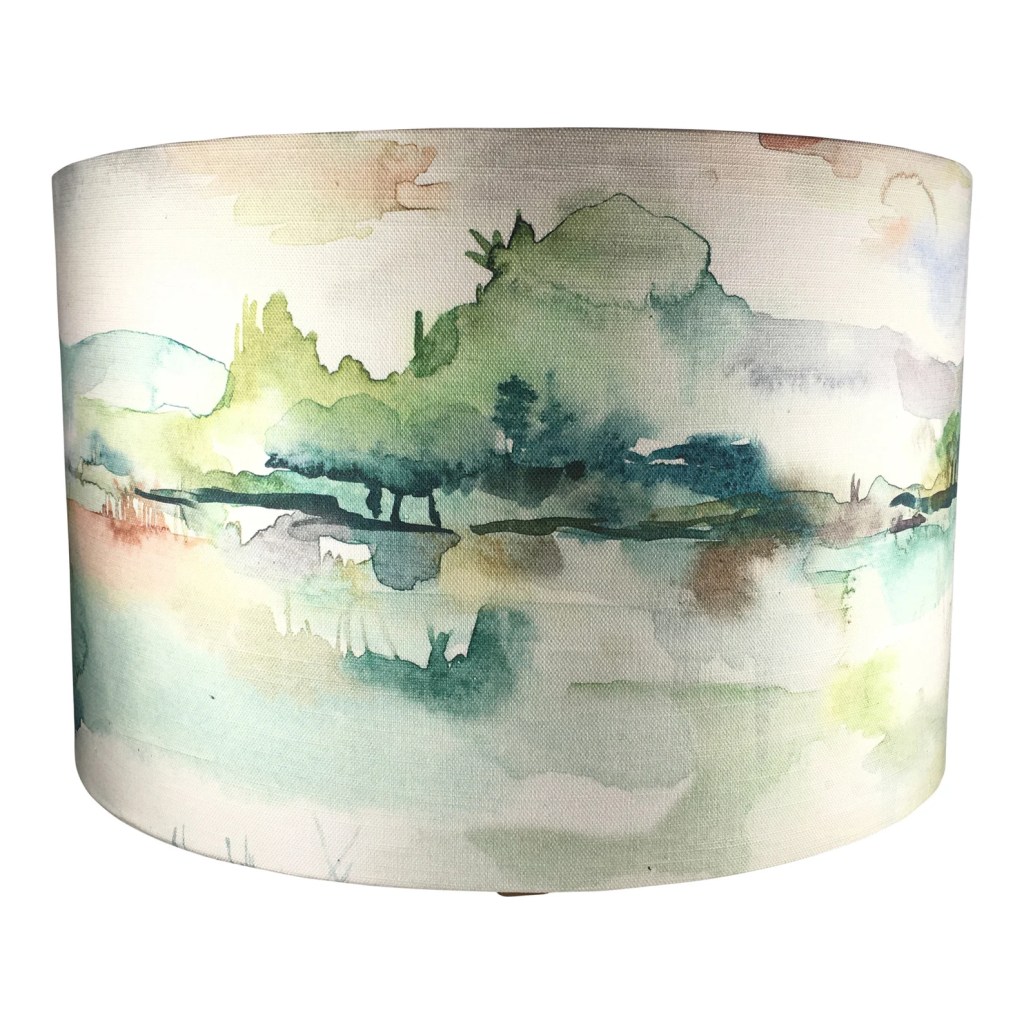
A New Lampshade (or Two). A new shade could be just the answer. There are more textures and fabrics than I can count; so finding the right style is really just all about shopping around. BTW, don’t overlook sites such as Etsy (check out shops like Morlibird & Blue Crocus Textiles). We’ll admit they are not entirely inexpensive, but a better option than replacing the entire base/shade combo.

Voyage Maison Fabric Lampshade
from Blue Crocus Textiles

Have another idea? Share it in comments.

The Tilbury Edit shares observations concerning a wide array of topics from founding a company — to the perfect gift. It is designed to share lessons learned from a variety of perspectives.

Uncategorized

6 Ideas to Help You Rediscover the Joy of Reading

Katarina Sikuljak @unsplash

Most of us would hesitate to admit that we are not reading (or not reading nearly enough). There is an unspoken pressure to do so — with so many messages that tell us that more books is, well, just more. I do a fair share of my reading on-line, in the form of articles. However, my interactions with books has fallen sharply over the last few years. Simply put, there are things that stand in the way.

Here are a few quick suggestions concerning the elements that may require our attention. Hopefully, one or two, may help.

  • Acknowledge that less, can be more. A slim book stack doesn’t signal an issue, unless you make it one. Digesting fewer books on productivity, for example — yet actually applying what you’ve learned — is preferable to tearing through multiple books simply for the sake of it. Speed reading, isn’t everyone’s speed. Remember that.
  • Set a reasonable goal to reconnect. Utilize the Pomodoro technique (25 minutes) or James Clear’s page target (20 pages a day). Limit the pressure.
  • Consider the subject. If your life or work could be characterized as heavy or stressful and you have the inclination toward engaging with more heavy topics as reading material, more power to you. However, I’ll wager that a change of “mental scenery” could make reading more approachable. While many would poo-poo a pure fiction series such as Bridgerton — or a even a light memoir — this might be what is necessary to move you back into the fold. (More fiction picks below. See our book list as well.) Sometimes Jane Eyre or the inner workings of our economy, just isn’t what you need.
  • A personal book nook. Where you read is an integral part of rediscovering a love for books. Find that location that is comfortable, quiet and somewhat free of interruptions.
  • A time for reading. Daily rituals matter. Designating a time for reading, will help you fall into the habit of opening a book. Remember to keep your latest read in a place where it won’t be overlooked. Hopefully, the cover alone will remind you of what you read last and help you to anticipate the next pages.
  • The eyes have it. Tired or stressed eyes, can deter you from engaging with a book for pleasure. If you require glasses to read close-up for any length of time, remember to be certain that your prescription is up to date. Because of the pandemic, many of us haven’t rounded back to have our eyes checked.

Do you have a tip for someone who has lost their way, reading-wise? Share it in comments.

More: Here is a complete guide to fictional best seller’s from Rachael at The Booklist Queen.

Live.Work.Think.Play shares observations concerning a wide array of topics from founding a company — to the perfect gift. It is designed to share lessons learned from a variety of perspectives.

Uncategorized

You Should Be Your Own Muse


hai-tran-tt_hfmmae1w-unsplash

Muse
1: any of the nine sister goddesses in Greek mythology presiding over song and poetry and the arts and sciences Clio is the Greek Muse of history.
2 : a source of inspiration especially : a guiding genius The writer’s beloved wife was his muse.
3 : poet

My grandmother used to stock a drawer on the end of her bright, pink kitchen with crisp, white paper. When I visited her as a young child it always felt that it was waiting for me. Whether she placed that paper to indulge my early penchant for sketching, I’ll never know. But, I’m grateful that she provided the materials which acknowledged and in a sense, normalized creativity.

Being able to create something, whether great or small — helps us build a stronger core; one that extends to both life & work.

Yet, as we all know, inspiration can be difficult to come by, even in the best of circumstances.

On some level, it may seem frivolous to indulge the notion of an “inspirational state” (more about that here). But, I have come to think it wildly essential to our lives. Something that underscores the best of being human. Of finding & expressing our own individuality.

Yet, I also know, that if we continually rely on other people to help the creative process ignite, this puts us at a distinct disadvantage.

While you are likely grateful for what you do have in this moment, your life & work may suffer from a lack of inspiration. The usual “triggers” may be absent or limited (life has changed over the last few years). But, I’m a stubborn sort and feel that there are ways to build the potential for creativity within our daily lives. I’ve relied on this vantage point for some time now. On some days I am successful. On others days, not as much. But, I am resolute and committed to the process.

To combat this internal gridlock, we must find what we might need from within ourselves. More specifically, to find our own energy sources. My own journey has led to a number of observations — including this:

We must learn to function as our own muse.

Here are a few of my tips & techniques:

Pay attention. You must become more sensitive to your own distant drummer & indulge the pangs of interest. What are you drawn toward? A development in an adjacent field? A new writer? Design thinking? Attempt to not dismiss a seemingly random element that attracts you, however unrelated it may appear to your life or work. Read more on that topic. Talk more about it. Ultimately, if your brain engages with something — the benefits are likely to spill into other areas.

Get a hold of morning rituals. What are you consuming along with your coffee, first thing in the morning? What fills the first moments each day? How might this affect you? How can you better control negativity, tension & stress (which likely fight inspiration and creativity)? Know this: cultivating inspiration & creativity is an art form — and not the result of divine intervention. We need to address the roadblocks that we might create for ourselves.

Stop the energy drain. There are people & situations that truly drain us — drowning our abilities to serve as our own muse. If someone or something consistently leaves you in a funk, stop the exposure or contain the effects as soon as possible. Process why the interactions affect you in that way. Resolve to change your perspective and attempt to move beyond it.

Edit your physical surroundings. Our immediate surroundings have become more and more important. Pay attention to where you work & where you relax. Pull out items or mementos that help you feel safe & settled. Organize your office in a way that feel more intentional. Insert a healthy dose of art or music. Do what you can to trigger positivity.

Utilize a dreamy state. Writer’s block, a well-known ailment, known to be quite difficult to tackle — has been discussed for centuries. This article offers a glimpse regarding how mental imagery can open the door to recovery. In a sense, writer’s block is simply a creativity deficit. A frozen state, in which the sufferer is caught without a worthy muse.

Indulge, not stifle. Try not to shrug off an idea or collection of observations. Grab a notebook and record the source idea. Then use that page as a nexus for related branches & refinements. Return regularly and build. Be loose with your thoughts. Try not to edit your creative meanderings too heavily.

Get visual. Creativity breeds creativity. So being a bit closer to the visual arts, may help you feel more productive. I challenge you to discover 5 inspiring photographs or photographers at Unsplash. Note the subject matter and why you are drawn to it.

Go ahead and create something, anything. Whether you have raw talent or not — dabble. Choose a vehicle that attracts you, whether it involves paint, pencil, ink, a hammer or a camera. Remember that creative acts, can be pursued solely for your consumption and no one else’s.

Please note that you do not have to work in a known “creative field” to benefit from the contributions of inspiration & creativity into your life. I would wager that both of these elements, fund both our well-being and problem-solving abilities.

Inspiration requires that we become acutely aware of our own creative triggers.

Let’s find them.

Then go ahead and pull that thread.

Know someone who might benefit from this read? Share the post with them.

Read more: Thoughts on Asimov’s The Eureka Phenomenon here.

Marla Gottschalk is an Industrial/Organizational Psychologist and charter member of the LinkedIn Influencer Program. Her thoughts on work life & have appeared at Harvard Business Review, Forbes, BBC Work Life, Quartz and The Huffington Post.

Live.Work.Think.Play shares observations concerning a wide array of topics from founding a company — to the perfect gift. It is designed to share lessons learned from a variety of perspectives.